






New Research Shows Sustainable Promotional Products Deliver High Marketing Impact with a Lower Carbon Footprint
For years, marketers have faced a difficult challenge: how do you maximise brand visibility while reducing environmental impact?
A new independent study commissioned by the Advertising Specialty Institute (ASI) and Promotional Products Association International (PPAI) provides valuable insight into this question. The findings suggest that promotional products can offer a combination of marketing effectiveness and carbon efficiency when compared with many traditional and digital advertising channels.
What Did The Promotional Product CO₂ Project Research Find?
The Promotional Product CO₂ Project conducted by climate platform 51toCarbonZero compared the environmental impact and marketing effectiveness of promotional products against digital advertising, television, radio, print and outdoor advertising.
Researchers measured emissions across the full lifecycle of promotional products, including production, transportation, use and disposal. These results were then compared against other advertising channels using a common metric: carbon emissions per memorised brand impression.
The key findings included:
- Promotional products ranked among the most carbon-efficient advertising channels studied.
- Branded merchandise generated up to 8x less carbon impact per memorised impression than some forms of digital advertising.
- Promotional products performed similarly to, or better than, most major advertising channels when comparing marketing impact against environmental impact.
- Results were consistent across both U.S. and European markets.
Why Sustainable Promotional Products Are Carbon-Efficient
Unlike many forms of advertising that disappear after a single viewing, useful promotional products often remain in circulation for months or even years.
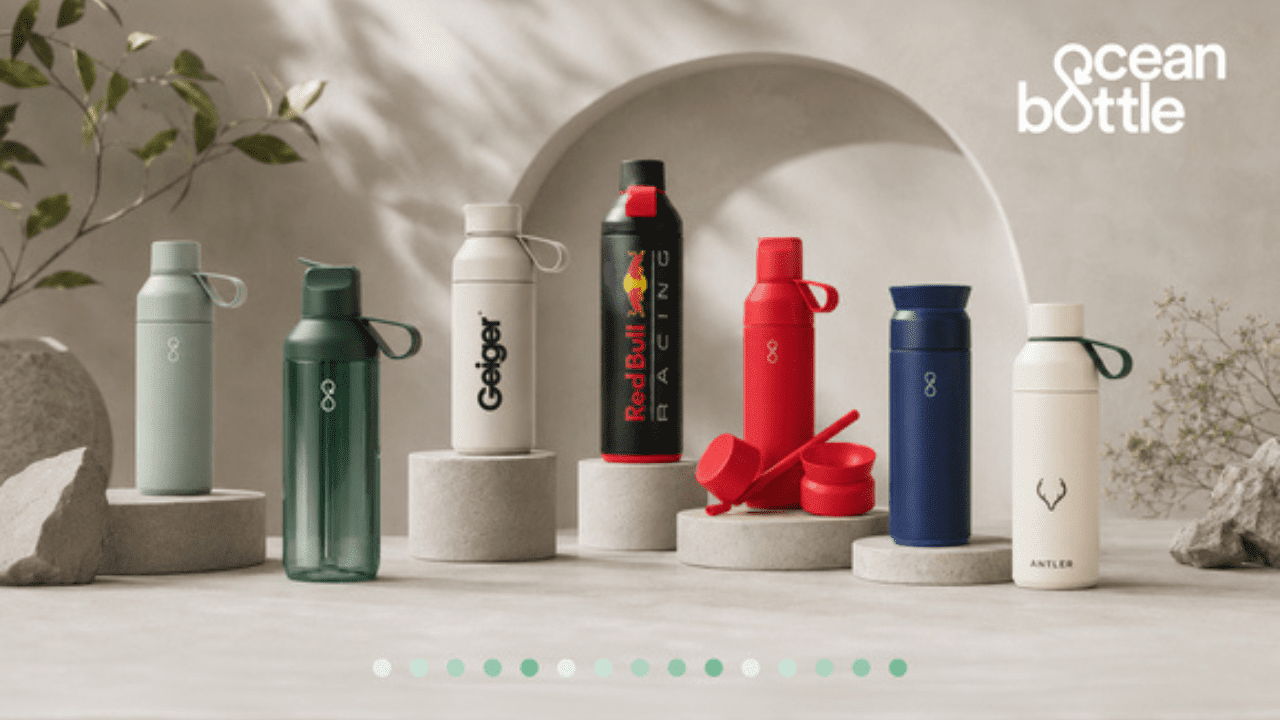
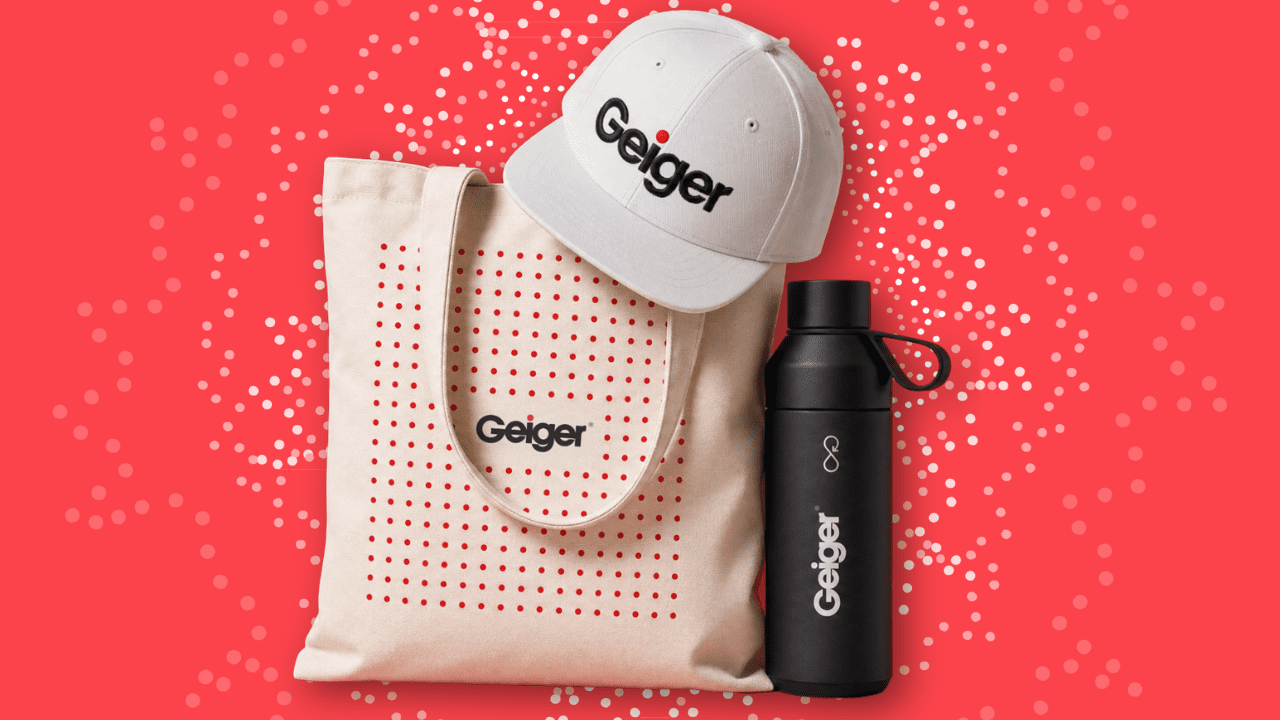
A reusable water bottle, notebook, tote bag or piece of branded apparel can create repeated brand exposure long after an event or campaign has ended.
This ongoing use helps spread the environmental impact of production across many more impressions, improving overall efficiency when measured against marketing outcomes.
Sustainability Is Increasingly Influencing Purchasing Decisions
The study also highlighted previous industry research showing that consumers respond positively to environmentally responsible promotional products.
According to ASI research, 74% of consumers say they feel more favourable towards a brand that provides a sustainable promotional product.
This creates an opportunity for organisations to align marketing objectives with broader sustainability and ESG goals.
What The Promotional Products CO₂ Project Means For Marketers
The research does not suggest promotional products have no environmental impact. Every marketing channel generates emissions. However, the findings provide valuable context for businesses evaluating where to invest their marketing budgets.
When selecting branded merchandise, organisations can further improve outcomes by:
- Choosing durable, long-lasting products.
- Prioritising recycled, renewable or responsibly sourced materials.
- Reducing unnecessary packaging.
- Consolidating shipping and logistics.
- Working with suppliers who can provide transparent sustainability information.
Moving Towards More Sustainable Branded Merchandise
At Geiger, we believe effective promotional products should deliver both marketing value and environmental responsibility.
Our approach focuses on helping organisations select branded merchandise that is designed to be useful, retained and valued by recipients. By choosing products with longevity and practical everyday use, businesses can create lasting brand impressions while supporting their sustainability objectives.
As sustainability becomes an increasingly important part of marketing decision-making, independent research such as the Promotional Product CO₂ Project helps provide the data needed to make informed choices.
We also recognise that the right merchandise needs to be chosen in order to be kept and used. Buying trends within our own customer base and recent orders shows that the demand for dual-branded premium retail brands is growing. We recently held an event in London focusing on premium retail merchandise, key takeaways included how tapping into a brands existing equity can improve the perceived value of your merchandise and is more likely to be kept. The right product does truly stay with the audience longer than a Billboard that you spot at a bus stop, or an advert you hear on the radio.
If you would like further information on how we can support your business with sustainable promotional products, or items that fit nicely into people’s lifestyles, we’re here to help!
Sources